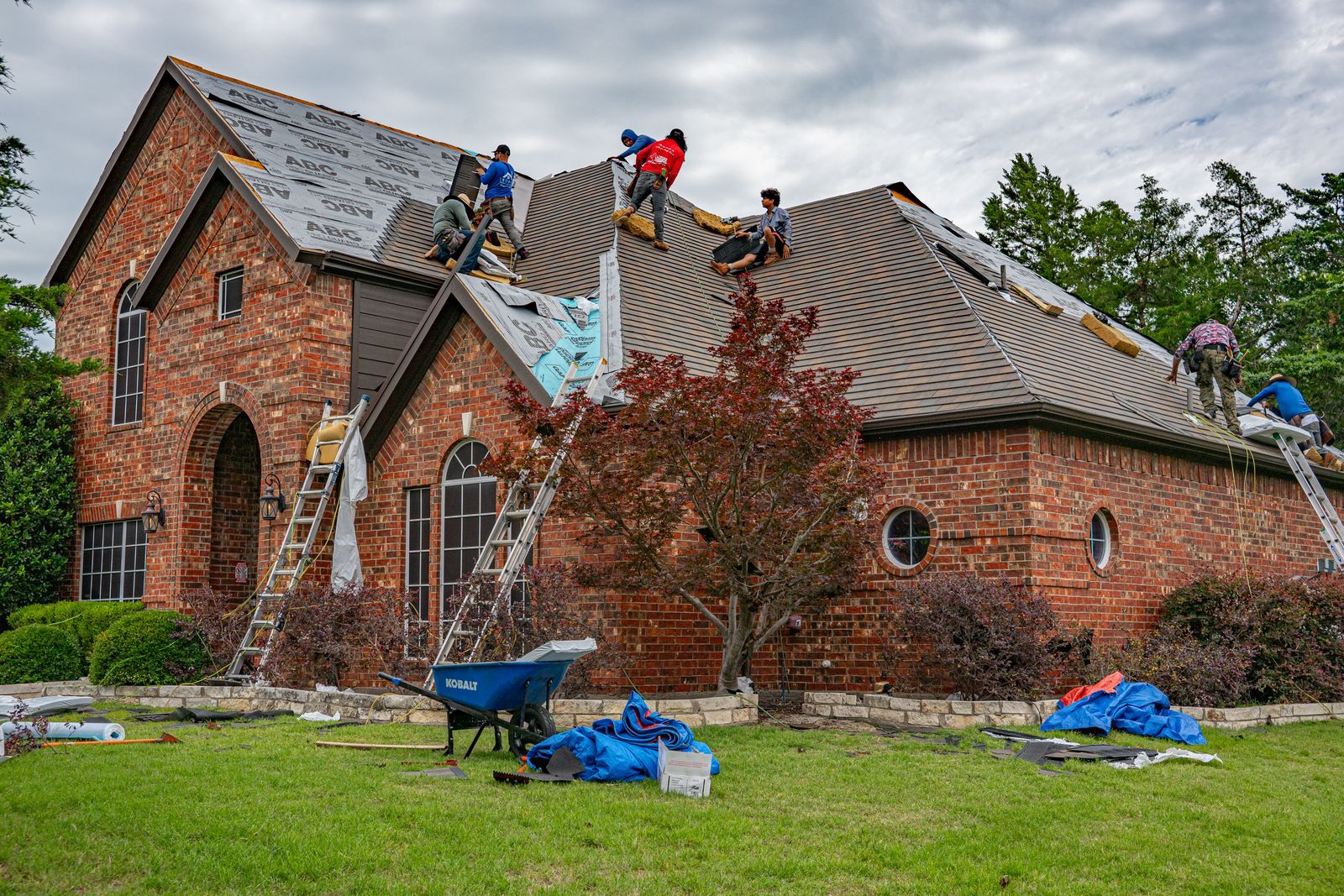
Roof Replacement Permit requirements across Pennsylvania
By Mario Bailey Last checked 2026-06-18
Requirements and size thresholds for roof replacement permits vary by locality. The table below compares what each Pennsylvania county or city requires. Always confirm with the local office before starting.
What to know about roof replacement permits in Pennsylvania
Roof replacement permit rules in Virginia depend on the scope of work. Simple shingle replacement is often exempt under state code, while structural or sheathing work usually needs a permit. Costs depend on roof size and materials, and a licensed roofing contractor helps ensure the work passes any required inspection.
How roof replacement permits work, start to finish
Applying
A residential reroof permit application is lighter than for structural work: you state whether the scope is a full tear-off (roof replacement) or an overlay (roof recover), describe the covering material and its manufacturer instructions, and note the condition of the existing deck, since those facts determine which code path applies.
- State on the application whether the job is a roof replacement, which strips all existing layers down to the bare deck, or a roof recover, which leaves the old covering in place under specific conditions, since the two scopes are governed differently (IRC R908.3).
- A recover is only an option where the new covering follows the roof covering manufacturer's approved instructions or is a self-supporting system, such as standing-seam metal, that does not rely on the existing roof for support (IRC R908.3.1).
- Full tear-off must be scoped on the application instead of a recover when the existing roof is water soaked or deteriorated, is slate, clay, cement, or asbestos-cement tile, or already carries two or more layers of roof covering (IRC R908.3.1.1).
- The materials and installation methods described on the application must comply with the reroofing requirements of the roof-assemblies chapter (IRC R908.1).
- If the scope reuses existing slate, clay, or cement tile, damaged or broken pieces cannot be listed for reinstallation, and any rusted or deteriorated flashings, edgings, outlets, or vents uncovered during tear-off must be scoped for replacement (IRC R908.5).
Inspections and close-out
Most residential reroofs get two to three field inspections keyed to the scope of work: a deck or nailing check when sheathing is exposed or replaced, a final on the completed covering and flashings, and in some high-wind regions a dedicated check of mitigation measures added during tear-off.
- Where the covering is fully removed and the sheathing is exposed, replaced, or added, inspectors check the deck and its nailing before any new roofing goes down, since the structural framework must be able to carry the new covering's loads (IRC R908.2).
- An overlay is only approved where it meets one of the code's listed recover conditions, such as installation in accordance with the covering manufacturer's approved instructions (IRC R908.3.1).
- Flashings disturbed or replaced during the job are checked against the approved manufacturer's installation instructions, and metal flashing that will receive bituminous material must be primed before installation (IRC R908.6).
- A final inspection confirms the completed roof covering and its fasteners were installed as required for that material and per manufacturer instructions before the permit is closed (IRC R905).
- In some regions with strengthened wind provisions, reroofing an older single-family home also triggers inspection of supplemental deck-nailing and a secondary water barrier added during tear-off, on top of the base reroofing requirements (Florida Building Code, Residential R908.7 Mitigation).
- Reinstalled existing slate, clay, or cement tile is checked against reuse limits at inspection, and any rusted, damaged, or deteriorated flashings, edgings, outlets, or vents found during tear-off must be replaced rather than reinstalled (IRC R908.5).
General practice; pick your county below for its specific rules, fees, and portal. Sources: IRC Section R908 Reroofing (text as adopted in the 2020 Residential Code of New York State, based on the 2018 IRC), IRC Section R908 Reroofing and Section R905 Roof Coverings (2021 International Residential Code).
Swipe sideways to see thresholds and confidence.
| Locality | Permit required? | Typical threshold | Confidence |
|---|---|---|---|
| Philadelphia | Yes | Not specified | Confirmed on official page |
| No localities match your filter. | |||
Ready to move on your roof replacement permit?
Hire it out
Before you sign, ask the contractor:
- Who pulls the permit, you or me, and is the permit fee included in the bid?
- Which inspections will this job need, and who meets the inspector on site?
- Is your contractor license active in this locality, and under which business name?
Want a pro to handle this permit? Request free help
Tell us where your project stands. Free to ask; no obligation.
Where we have a vetted local pro who handles permits in Pennsylvania, we connect you; otherwise we reply with the exact steps and office links for your situation. PermitNotebook is not a government agency and does not file permits. This is a free referral request; we may earn a fee if you hire a pro we introduce. Partners never influence our permit data. Privacy policy.
Planning more than a roof replacement? Check your whole project