Do you need an HVAC permit in New Jersey?
By Mario Bailey Last checked
- Always required
- 1
- of 2 jurisdictions
- Conditional
- 1
- depends on size or scope
- Not required
- 0
- exempt outright
HVAC Permit rules nationwide, beyond New Jersey.
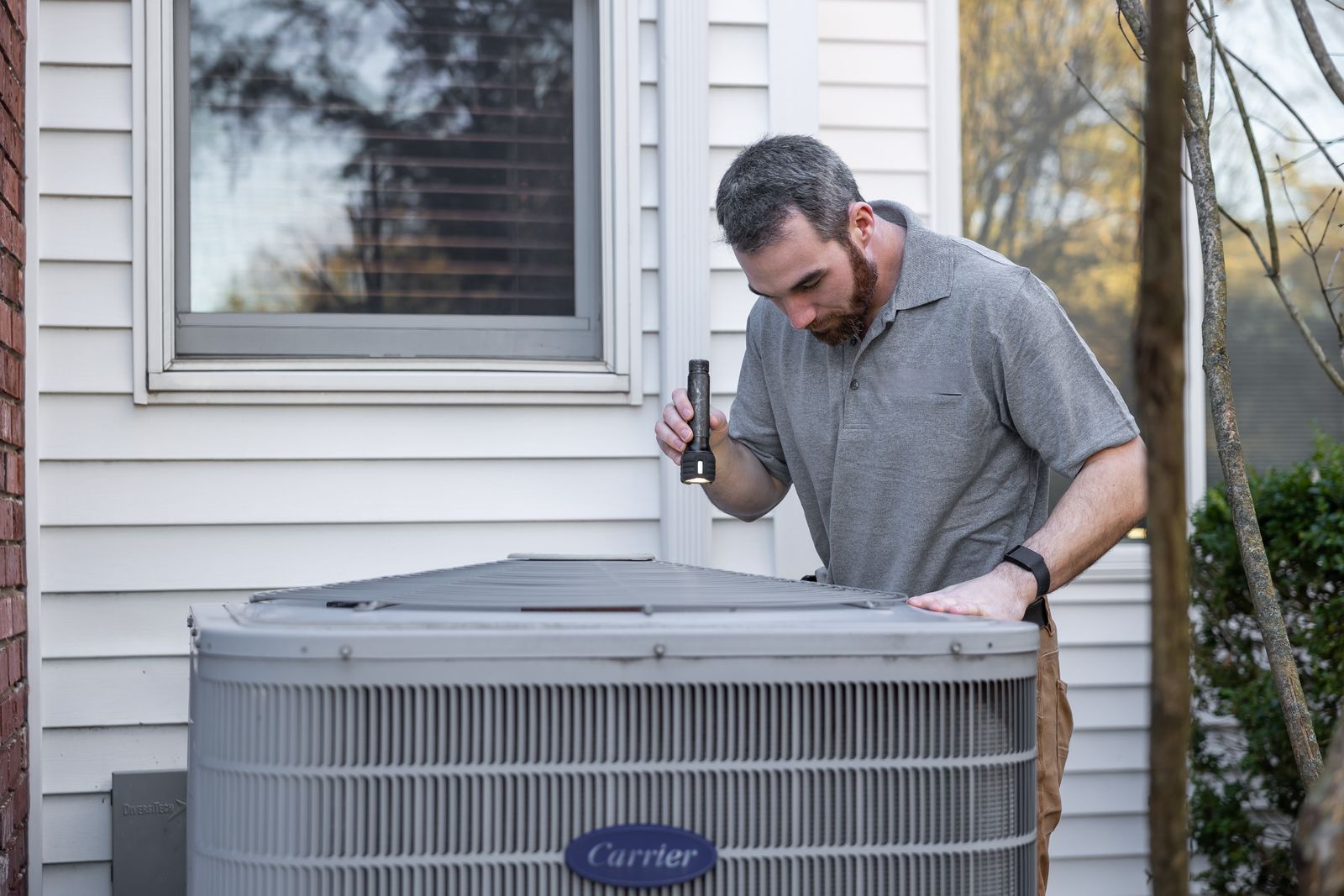
Requirements and size thresholds for HVAC permits vary by locality. The table below compares what each New Jersey county or city requires. Always confirm with the local office before starting.
Comparing states? See HVAC permit rules across every locality we cover.
What to know about HVAC permits in New Jersey
HVAC permits in Virginia typically apply to new installations and to replacing gas or oil fueled equipment. Costs vary with equipment type and your locality. Using a licensed mechanical contractor matters, because the install must meet code and pass inspection, which also helps protect your equipment warranty.
The application steps and inspection sequence for HVAC permits come from the model code rather than from New Jersey law, so they read the same wherever you build. We keep that walkthrough in one place: how an HVAC permit application and its inspections work, start to finish. What changes between New Jersey jurisdictions is below: who requires a permit, what they charge, and which office you file with.
Swipe sideways to see thresholds and confidence.
| Locality | Permit required? | Typical threshold | Confidence |
|---|---|---|---|
| Jersey City | Yes | Not specified | Based on building code |
| Newark | Conditional | Not specified | Confirmed on official page |
| No localities match your filter. | |||
Common questions about HVAC permits in New Jersey
- Do I need an HVAC permit in New Jersey?
- In New Jersey it depends on the size of the job. Permits are issued locally, so the answer comes from your New Jersey city or county rather than a single statewide rule. Of the 2 New Jersey jurisdictions we have verified for HVAC work, 1 requires a permit outright, 1 depends on the size or scope of the job, and 0 require none.
- Is there an HVAC permit exemption in New Jersey?
- 1 of the 2 New Jersey jurisdictions we cover sets a threshold rather than a flat rule, so the same job can be exempt in one New Jersey county and permitted in the next. The table above lists each New Jersey jurisdiction's published threshold in its own words, with the source and the date we verified it.
Ready to move on your HVAC permit?
Hire it out
Sponsored
HVAC contractors usually pull this permit as part of the job. If you have not picked one yet, compare a few quotes before you commit.
Compare HVAC contractor quotes on Angi
Sponsored link. PermitNotebook may earn a fee if you request quotes through it. Partners never influence our permit data.