New Jersey

Fence Permit requirements across New Jersey

By Mario Bailey Last checked 2026-06-18

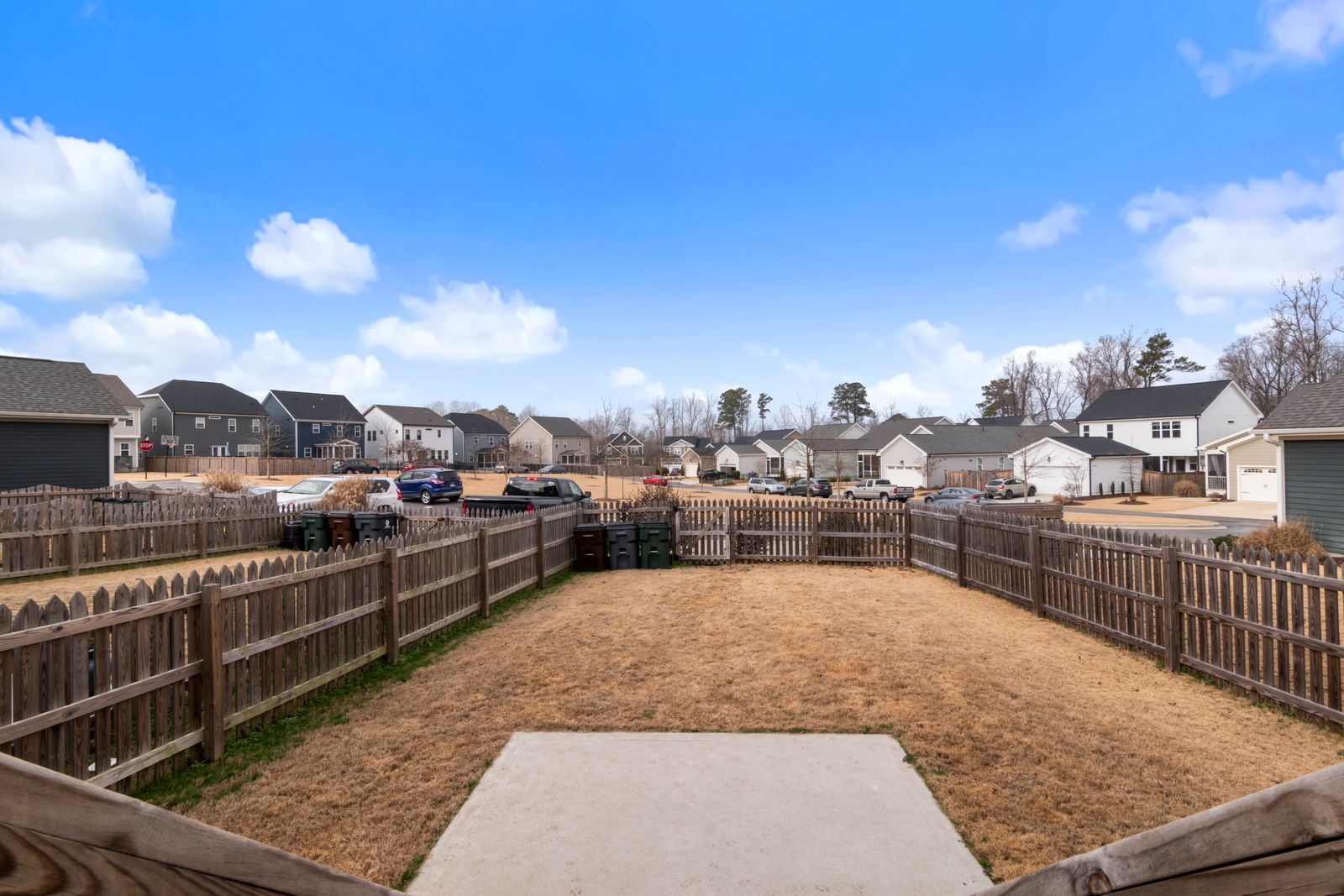
Wood privacy fences between houses in a suburban subdivision

Requirements and size thresholds for fence permits vary by locality. The table below compares what each New Jersey county or city requires. Always confirm with the local office before starting.

How fence permits work, start to finish

Applying

Most residential fences fall under the model code's 7-foot building-permit exemption, so the real approval step is a lightweight zoning or land-use permit built around a simple site plan showing the fence's location, height, and material, checked against setbacks and any corner-lot sight-triangle rule. A fence that will serve as a required swimming-pool barrier is the exception, since barrier fences carry life-safety requirements of their own.

  • A fence 7 feet or under is exempt from the model code's building permit, the same threshold the IRC uses for other small projects (IRC 2021 R105.2).
  • That exemption only removes the building-code permit. It does not authorize skipping a jurisdiction's own zoning approval, which is why an exempt fence can still need its own land-use or zoning permit rather than a building permit (IRC 2021 R105.2).
  • Whatever your jurisdiction calls that approval, the application centers on a basic site plan: a drawing of the property showing the fence's location, height, and material, and how it relates to the property lines (common local zoning practice).
  • The same plan is checked against required setbacks and, on corner lots or near intersections, a sight-triangle rule that caps fence height so it does not block sightlines for drivers (common local zoning practice).
  • A fence that will serve as a required swimming-pool barrier is handled as life-safety work rather than the light zoning process, and at least one state's adopted residential code requires a building permit for barrier fences regardless of the general fence exemption (Oregon Residential Specialty Code 2021, R101.2.2).

Inspections and close-out

Inspection follows the permit: a fence that never needed one gets no inspection at all under the model code, and a permitted fence typically gets a single final check rather than the staged inspections used for a house. The exception is a fence serving as a swimming-pool barrier, which gets its own dedicated barrier inspection covering height, gaps, and gate hardware.

  1. Inspection duty attaches only to work for which a permit is required, so a fence that qualified for the permit exemption carries no inspection obligation under the model code (IRC 2021 R109.1).
  2. Where a fence permit was issued, the process skips the staged foundation, frame, and rough-in inspections used for buildings and goes straight to one final inspection once the fence is finished (IRC 2021 R109.1.6).
  3. That single check is typically a zoning compliance inspection rather than a structural review, confirming the fence matches the approved height and site plan (common local practice).
  4. A fence built as a swimming-pool barrier breaks that light-touch pattern: it is separately inspected for barrier compliance, commonly required before the pool itself can be signed off (ISPSC 305; local pool-barrier inspection programs).
  5. That barrier inspection checks dimensional rules from the swimming pool and spa code rather than ordinary fence rules, including the minimum 48 inch barrier height and limits on openings and gaps a young child could pass through (ISPSC 305).
  6. Gate hardware is inspected too: a self-closing, self-latching gate is part of the barrier requirement, since an unlatched gate defeats the fence's purpose as a barrier (ISPSC 305).

General practice; pick your county below for its specific rules, fees, and portal. Sources: International Residential Code (IRC), 2021 edition, Section R105.2, International Residential Code (IRC), 2021 edition, Section R109, and ISPSC 2021 Section 305 (barriers).

Swipe sideways to see thresholds and confidence.

Locality Permit required? Typical threshold Confidence
Jersey City Conditional permit required if fence exceeds 6 feet or acts as a pool barrier Confirmed on official page

Ready to move on your fence permit?

Hire it out

Before you sign, ask the contractor:

  • Who pulls the permit, you or me, and is the permit fee included in the bid?
  • Which inspections will this job need, and who meets the inspector on site?
  • Is your contractor license active in this locality, and under which business name?
Want a pro to handle this permit? Request free help

Tell us where your project stands. Free to ask; no obligation.

Where we have a vetted local pro who handles permits in New Jersey, we connect you; otherwise we reply with the exact steps and office links for your situation. PermitNotebook is not a government agency and does not file permits. This is a free referral request; we may earn a fee if you hire a pro we introduce. Partners never influence our permit data. Privacy policy.

Planning more than a fence? Check your whole project